
Batch-tested supplements: reducing the risk of contamination
You find a pre-workout online, read the label twice, and everything looks clean. No DMAA, no “gear,” nothing that screams banned substance. You order it, use it for six weeks, and then get a knock on the door from a doping control officer. That scenario plays out more often than most athletes realise, and it happens to people who genuinely believed they were doing the right thing. Batch testing is one of the few practical safeguards we can recommend to athletes who still want to use supplements — it won’t make the risk disappear, but it narrows it considerably.
Why supplement contamination is a real threat for Australian athletes
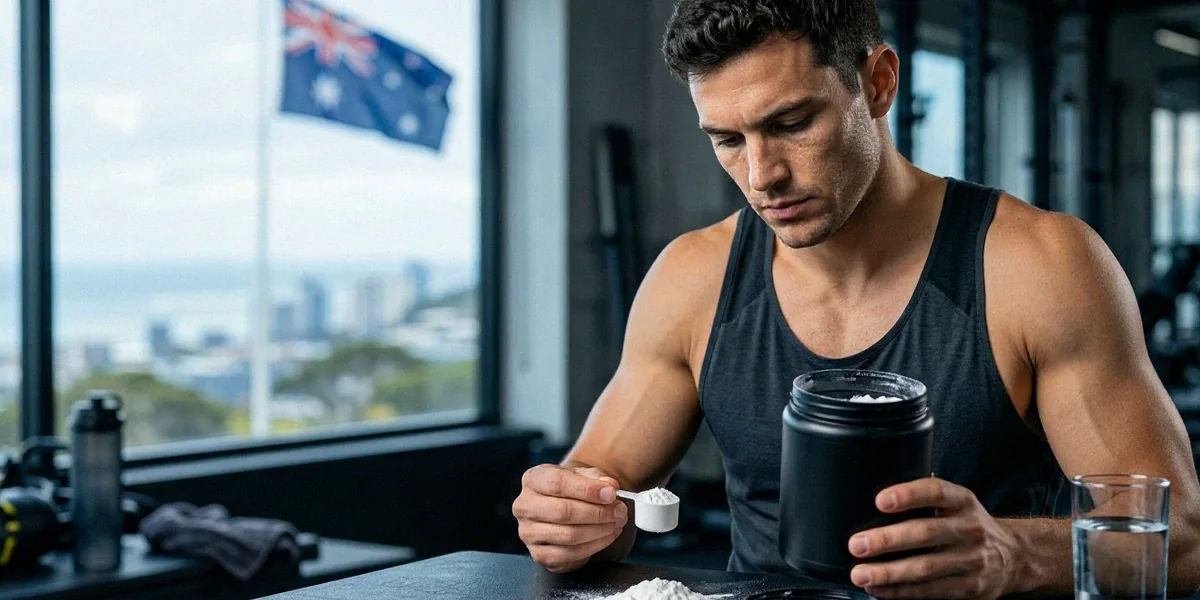
Supplements are not pre-approved by Sport Integrity Australia. Unlike medicines, which go through the Therapeutic Goods Administration, sports supplements sit in a regulatory grey zone. A product can legally contain a substance that is prohibited in sport, and nothing on the label has to warn you. Sport Integrity Australia — the national anti-doping organisation for Australia, which absorbed the functions of ASADA — has repeatedly reported cases where athletes returned positive tests after using contaminated supplements. The athlete had no intention of cheating. It didn’t matter.
The gap between ‘natural’ labels and banned ingredients
“Natural,” “herbal,” and “plant-based” are marketing terms, not regulatory guarantees. Some herbal extracts contain stimulants that appear on the World Anti-Doping Agency (WADA) Prohibited List. Others are spiked deliberately with pharmaceutical compounds to make them “work” better. A label that says “100% natural” tells you nothing about whether the product contains a prohibited substance.
How contamination happens: cross-contamination in manufacturing
Many supplement factories run multiple product lines on the same equipment. A facility that produces anabolic agents for one brand may then produce a protein powder for another. If cleaning between runs is inadequate, trace amounts of a banned substance end up in a product that has no business containing it. These traces can be enough to trigger an adverse analytical finding.
Real cases: Australian athletes banned after taking supplements
Australia has seen bans across multiple sports — rugby league, AFL, weightlifting, and athletics — where athletes tested positive and blamed contaminated supplements. In several cases, the Court of Arbitration for Sport (CAS) ultimately heard the appeals. Some athletes had sanctions reduced after proving the source was a contaminated product, but the bans and reputational damage were already done.
What ‘batch-tested’ actually means (and what it doesn’t)
Batch testing means a specific lot — a specific batch number — of a supplement has been sent to an accredited laboratory and screened for prohibited substances. If that batch passes, the manufacturer can display a certification mark for that batch. It is not the same as being “approved” by Sport Integrity Australia, because Sport Integrity Australia does not approve supplements. Batch testing reduces risk for that one batch. It does not certify the brand, the facility, or future batches.
HASTA vs. Informed Sport: which programs Australian athletes trust
HASTA (Human and Supplement Testing Australia) is the key local batch-testing program, developed with support from the Australian sports system. Informed Sport is a UK-based program that is also recognised and used by Australian athletes. Both test for WADA-prohibited substances using accredited laboratories. Many Australian institutes of sport and professional clubs accept products certified under either scheme.
The limits of batch testing: why a negative test doesn’t guarantee zero risk
A passing certificate means the sample tested did not contain detectable levels of the substances screened for. It does not mean the entire batch is pristine, that the next batch will pass, or that the lab looked for every possible prohibited compound. It’s a strong layer of protection, not a force field.
How to read a batch test certificate
- Check the batch number on the certificate matches the batch number printed on your tub.
- Confirm the testing laboratory is accredited (look for ISO 17025).
- Check the test date — a certificate from three years ago for a batch you bought last month is meaningless.
- Look at what was tested. Some certificates only screen a narrow list of substances.
How to choose batch-tested supplements in Australia
Sport Integrity Australia recommends athletes use batch-tested products where possible. In practice, that means building a shortlist of trusted brands and sticking to it, rather than chasing whatever is trending on social media.
Checking the batch number: a step-by-step guide
- Find the batch number on the tub, usually near the expiry date.
- Go to the certifying program’s website (HASTA or Informed Sport).
- Search the brand and product name.
- Match the batch number exactly — not just the product.
- Download or screenshot the certificate and save it with your receipt.
Red flags: products that claim ‘banned substance free’ without certification
If a product says “banned substance free,” “drug-free,” or “safe for athletes” without a HASTA or Informed Sport logo and a verifiable batch number, treat the claim as marketing. There is no legal standard behind those phrases in Australia. Also be wary of proprietary blends, which hide ingredient quantities and make it impossible to assess risk.
Where to buy batch-tested supplements in Australia
Buy from reputable Australian retailers, chemists, or directly from brands that publish their certificates. Avoid overseas marketplaces where counterfeit products and unregulated formulations are common. If a price looks too good to be true for a “pharma-grade” product, it probably is.
The role of Sport Integrity Australia and drug testing athletes
Sport Integrity Australia oversees anti-doping in Australia, including testing, investigations, education, and results management. Testing can happen in-competition or out-of-competition, at home, at training, or at short notice. Every sample is screened for substances on the WADA Prohibited List, including anabolic agents, stimulants, hormones, and masking agents.
Strict liability: why ‘I didn’t know’ is not a defence
Australian athletes are subject to strict liability. That means you are responsible for any prohibited substance found in your system, regardless of how it got there or whether you intended to take it. “I didn’t know” is not a defence. It may reduce a sanction in some circumstances, but it will not exonerate you.
How Sport Integrity Australia investigates supplement-related positives
When an athlete tests positive and claims a supplement was the source, Sport Integrity Australia will typically request the product, batch number, receipts, and any certificates. They may have the product independently tested. If contamination is confirmed and the athlete can show they took reasonable precautions, penalties can be reduced — but the process is stressful, expensive, and slow.
When CAS gets involved in Australian anti-doping cases
The Court of Arbitration for Sport hears appeals for doping violations, including those involving contaminated supplements. If an athlete disputes a Sport Integrity Australia decision and exhausts national processes, CAS in Lausanne can be the final appeal body. Its rulings are binding and often set precedents for how contamination cases are treated globally.
Practical risk reduction: a checklist for your next supplement purchase
Our team recommends treating all supplements as risky unless they are batch-tested, and even then, staying sceptical. Here’s the checklist we give athletes:
- Check for HASTA or Informed Sport certification.
- Verify the batch number on the label matches the certificate.
- Avoid products with proprietary blends or vague ingredient lists.
- Consult an accredited sports dietitian before adding anything new.
- Keep records — receipts, certificates, and product photos.
Before you buy: questions to ask the manufacturer
Ask which batch-testing program they use, whether every batch is tested or only some, which laboratory does the testing, and whether certificates are publicly accessible. If they can’t answer clearly, walk away.
After you buy: storing certificates and receipts
Keep a digital folder with the batch certificate, purchase receipt, and a photo of the tub showing the batch number. If you are ever tested and need to demonstrate due diligence, this is the evidence that matters.
When to seek advice from Sport Integrity Australia
If you’re unsure whether a product or substance is prohibited, contact Sport Integrity Australia before you use it. They run a confidential checking service and can advise on specific ingredients. It takes ten minutes and can save a career.
FAQ
Does batch testing guarantee my supplement is safe?
No. Batch testing reduces the risk that a specific batch contains prohibited substances, but it does not eliminate it. Contamination can still occur, and not every prohibited compound is screened for. Treat a certificate as one layer of protection, not a guarantee.
Is HASTA the same as Sport Integrity Australia approval?
No. HASTA is an independent batch-testing program. Sport Integrity Australia does not approve supplements. It recommends batch-tested products but has no role in certifying them.
What happens if I test positive from a contaminated supplement?
You will still face an anti-doping process because of strict liability. You may be able to reduce your sanction by proving the source was a contaminated product and that you took reasonable precautions, such as using batch-tested products. The Court of Arbitration for Sport can hear the case if you appeal.
Can I trust “banned substance free” claims without a logo?
Generally, no. Without a recognised certification such as HASTA or Informed Sport and a verifiable batch number, those claims are unregulated marketing language.
Where can I check whether a substance is prohibited?
Use the WADA Prohibited List and Sport Integrity Australia’s online resources. If you’re still unsure, contact Sport Integrity Australia directly before using the product.
Batch testing is a smart layer of protection, but it is not a guarantee. Athletes in Australia need to stay vigilant, verify every batch, and remember that under strict liability, whatever is in your body is your responsibility. When in doubt, leave it out — or check with Sport Integrity Australia first.